Why the Best Place to Watch Anime Isn't on Any Streaming App
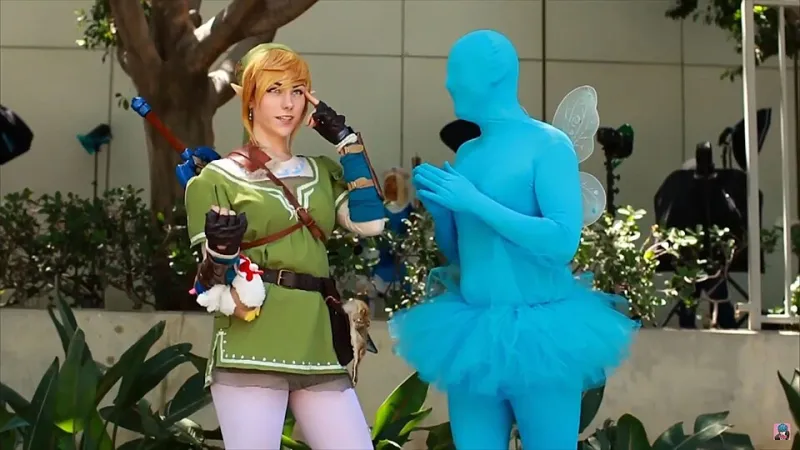
Photo: RealTDragon, CC BY 3.0, via Wikimedia Commons
Crunchyroll has tens of millions of subscribers. Netflix has poured serious money into anime licensing. Funimation (now folded into the Crunchyroll umbrella) spent decades building a dubbed library that introduced generations of American fans to the medium. By every metric of reach and convenience, official streaming platforms have won the distribution war.
And yet. Ask a deeply invested anime fan where they actually process what they're watching — where they get context, recommendations, watch orders, and the kind of cultural background that makes a series genuinely land — and the answer is almost never "the app."
It's a Discord server. It's a subreddit. It's a fan wiki someone built at 2 a.m. because they were frustrated that nothing else explained the Heian period well enough. It's the community, not the platform.
The Gap Official Platforms Keep Leaving Open
Here's a specific problem: anime is a culturally dense medium. References to Japanese history, mythology, social customs, wordplay, and regional dialects show up constantly, and they matter. A joke lands differently — or doesn't land at all — without the right context. A character's behavior reads as bizarre or even offensive to Western audiences without understanding the social norms being referenced.
Streaming platforms know this, and some of them try. Crunchyroll occasionally includes translator notes. Some releases come with cultural footnotes. But these efforts are inconsistent, often shallow, and frequently absent entirely on licensed titles where the platform is just hosting content it didn't produce.
Fan communities fill this gap with a thoroughness that's genuinely impressive. Take any major Discord server dedicated to a long-running series — Vinland Saga, Gintama, Mushishi, pick your show — and you'll typically find pinned resources that include historical context documents, character relationship guides, recommended episode orders for newcomers, and threads dedicated specifically to explaining cultural references episode by episode. Someone made those. Often a lot of someones, collaborating across time zones because they wanted the experience to be better.
The Watch Party as Art Form
One of the most underrated things fan communities have developed is the organized watch party — and it's evolved far beyond just pressing play at the same time in a voice channel.
The best fan-organized watch experiences include live reaction threads with moderated spoiler zones so newcomers and veterans can participate simultaneously. They include pre-watch primers that give first-timers essential context without spoiling plot. They include post-episode discussion threads that go genuinely deep on craft, themes, and adaptation choices. Some communities even produce their own episode guides that read like the kind of thoughtful media criticism you'd find in a good film studies class.
Official platforms have experimented with social viewing features, and most of those experiments have been... fine. Functional. But they lack the texture that comes from a community that has been thinking about a series for years and genuinely wants new fans to experience it at its best.
The Recommendation Problem
Algorithms are not your friend when it comes to anime discovery. This is not a controversial opinion among serious fans. The recommendation engines on major streaming platforms are optimized for engagement and retention, which means they tend to surface what's already popular, what's in their licensing portfolio, and what keeps you watching longer — not necessarily what you'd love most.
Fan communities approach recommendations completely differently. When you post in a well-moderated anime subreddit or Discord server that you just finished Frieren: Beyond Journey's End and want to know what to watch next, you're going to get responses from people who have genuinely thought about what makes that show work and what other titles share its DNA. You might get a list of five shows, each with a paragraph explaining why it fits and what to know going in.
That's not something an algorithm produces. That's curation, and it's a fundamentally human skill.
Fan Sites Are Doing the Work Studios Won't
Beyond Discord and Reddit, there's a quieter ecosystem of independent fan sites that have become essential resources in ways that official channels rarely acknowledge. Sites dedicated to specific franchises often maintain translation archives, production history documents, and interview translations that simply don't exist anywhere in English except because a fan decided to make them exist.
The labor here is enormous and almost entirely uncompensated. Fan translators working on interviews, making untranslated manga chapters accessible, documenting production histories — these people are doing cultural preservation work, and they're doing it out of genuine love for the medium.
It creates a strange dynamic. Streaming platforms benefit enormously from the enthusiasm these communities generate. When a fan community goes all-in on promoting a show, breaking it down, and creating the kind of engaged discourse that drives recommendations and subscriptions, platforms capture the commercial upside of that energy without having to produce it.
What Platforms Could Learn (But Probably Won't)
The honest answer is that building genuine community is hard, expensive, and doesn't fit neatly into a subscription revenue model. Platforms are incentivized to keep you on the platform, watching content, not to send you to a Discord server where you might spend an hour talking about a show instead of starting a new one.
But some of what fan communities do so well isn't impossible to replicate. Better, more consistent cultural annotation. Curated watch guides built by people who actually know the material. Community features that support discussion rather than just passive consumption. A few platforms have gestured toward this. None have fully committed.
Until they do — and maybe even after — the best anime experience for anyone who wants more than just the stream will keep living in the spaces fans built for themselves. That's not a failure of streaming. It's a testament to what people do when they care about something enough to build something better.