Stop Gatekeeping the Thing You Love: Anime Fandom's Inclusion Problem

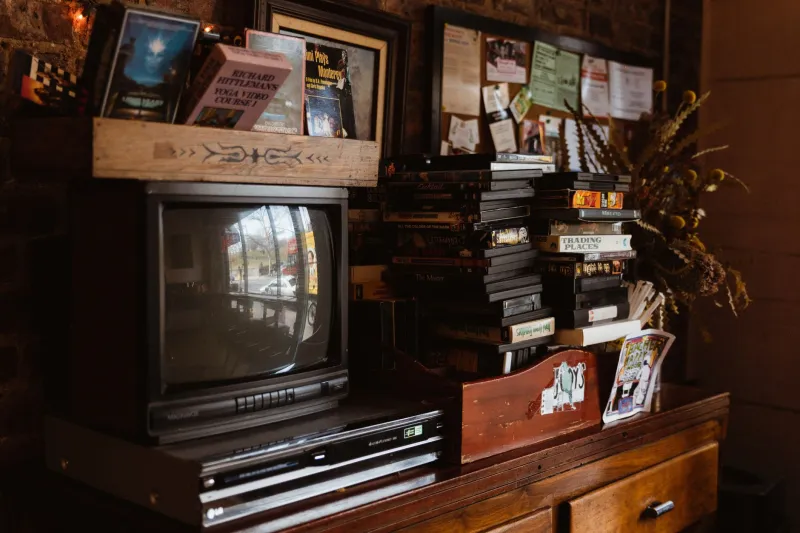
Photo by Photo by Aaron Douglas on Unsplash on Unsplash
Anime is everywhere right now. It's on Netflix billboards, in Target aisles, on the playlists of people who've never heard the word "shonen." That's a genuinely wild thing when you think about how niche this all felt even fifteen years ago. And yet, inside the communities where anime fans actually gather — Discord servers, Reddit threads, convention panels, comment sections — there's a growing problem that nobody really wants to talk about.
The fans are turning on each other.
"You Haven't Even Watched the Real Stuff"
Ask any casual anime fan about their first experience joining an online community and there's a decent chance the story isn't great. Maybe they posted about loving Demon Slayer and got buried in replies about how it's "entry-level." Maybe they admitted they prefer dubs and got treated like they'd confessed to a crime. Maybe they called themselves an anime fan after watching Attack on Titan on Netflix and someone took the time to write a three-paragraph response explaining why they don't count.
This is gatekeeping, and it's not subtle in anime spaces. There's a specific flavor of it here that feels almost performative — a kind of competitive suffering, where the depth of your fandom is measured by how obscure your favorites are, how long you've been watching, or whether you can name the original manga artist without Googling.
A 22-year-old college student in Chicago who asked to be identified only as Maya put it plainly: "I got into anime during the pandemic through Jujutsu Kaisen and I was so excited to talk about it. But every time I tried to engage online, someone was there to tell me I needed to watch something older, something harder, something more 'real.' It made me feel stupid for liking what I liked."
She's not alone. This pattern shows up constantly — and it's doing real damage to communities that could otherwise be thriving.
When Passion Curdles Into Policing
Here's the thing: passion isn't the problem. Anime fans are passionate because the medium genuinely rewards deep engagement. There is a difference between watching Sword Art Online and watching Neon Genesis Evangelion, and caring about that difference isn't inherently toxic.
The problem is when that passion tips into policing — when the goal shifts from sharing something you love to defending your status as someone who loves it correctly.
This shows up in specific, recurring ways. There's the "fake fan" accusation, leveled at anyone who got into anime through mainstream titles or streaming platforms. There's the sub-versus-dub war, which has been raging since the early 2000s and somehow still produces genuine hostility. There's the backlash against "casuals" who only follow seasonal hits and don't dig into back catalogs. And increasingly, there's a gendered dimension — women and non-binary fans reporting that their knowledge gets questioned in ways that their male counterparts' doesn't.
Jordan, a 28-year-old in Atlanta who's been attending anime conventions for a decade, described watching this dynamic unfold in real time. "I've seen people get visibly annoyed at convention panels when someone asks a 'basic' question. Like, someone just discovered this thing and they're excited, and the reaction is irritation. That's not a community. That's a clique."
What Other Fandoms Actually Get Right
It's worth looking at spaces that have figured this out — at least partially. The Dungeons & Dragons community went through a massive reckoning around accessibility and gatekeeping over the past decade, driven partly by the mainstreaming of the hobby through shows like Stranger Things. The response from a significant portion of the community was to lean into welcoming new players rather than resisting them. Content creators built massive audiences specifically around being beginner-friendly. The result? The hobby exploded in size without losing its depth.
The K-pop fandom — chaotic as it can be — has developed genuine onboarding culture. Fan wikis are detailed and welcoming. Introductory threads are a norm. New fans are expected and accommodated.
Anime fandom has some of this. There are fantastic creators on YouTube and TikTok doing recommendation guides and beginner breakdowns. But the community infrastructure, particularly in text-based spaces, still skews toward hierarchy over hospitality.
The Stakes Are Higher Than You Think
This isn't just about feelings, though feelings matter. There's a practical dimension here too. Anime's mainstream moment is creating a massive wave of potential long-term fans — people who could become the next generation of convention-goers, collectors, and community builders. Hostile reception pushes them away before they ever get that deep.
There's also something worth naming about what gatekeeping actually protects. The honest answer is: not much. Keeping newcomers at arm's length doesn't preserve the quality of anime. It doesn't protect Japanese creators or the integrity of the medium. It mostly just protects the social status of people who got here first.
And that's a pretty thin reason to make someone feel unwelcome.
Building Something Worth Belonging To
None of this means every criticism is gatekeeping, or that all standards are bad. Communities have norms, and that's fine. Recommending that someone watch more before forming strong opinions isn't gatekeeping — demanding they do so before they're allowed to participate is.
The shift is small but meaningful: from "you need to earn your place here" to "here's what you might love if you want to go deeper." One closes doors. The other opens them.
Anime got into American living rooms because people shared it — on VHS tapes, in fansub forums, through midnight Toonami rituals. That spirit of sharing, of handing something you love to someone new, is what built these communities in the first place.
It'd be a shame to forget that now that there are more people to share it with than ever.