A-List, Dubbed: How Serious Actors Stopped Sleeping on Anime Voice Work
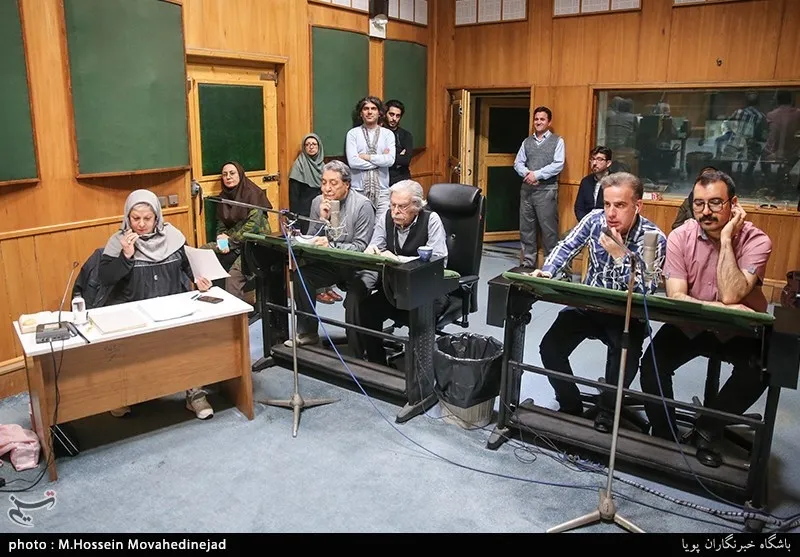
Photo: Tasnim News Agency, CC BY 4.0, via Wikimedia Commons
Not that long ago, the idea of a recognizable Hollywood actor doing an anime dub would have landed somewhere between a novelty and a punchline. Voice acting for animation — anime especially — carried a certain stigma in industry circles. It was considered lesser work, background noise in an actor's résumé. The kind of thing you did between real projects, if you did it at all.
That's changing. And the change is more interesting than it might look from the outside.
The Old Reputation Was Earned (Unfortunately)
To understand where things are now, it helps to be honest about where they were. Early American anime dubbing was, to put it gently, inconsistent. The 4Kids era of the late '90s and early 2000s — responsible for some of the most aggressively localized, dramatically altered dubs in history — left a mark on the medium's reputation that lasted years. Dialogue was rewritten, cultural references were scrubbed, and the voice performances were often pitched at a register that felt disconnected from what was happening on screen.
For a generation of fans who discovered anime during that period, the sub-versus-dub debate wasn't really a debate. Subs were assumed to be the authentic version. Dubs were the compromised one. That belief calcified into fandom orthodoxy and stayed there, even as dubbing quality improved substantially over the following decade.
The irony is that American anime dubbing actually got quite good — Funimation in particular built a stable of genuinely talented voice actors and developed real craft in localization — but the reputation lagged behind the reality. The stigma persisted.
Something Started Shifting
The shift that's happening now has a few overlapping causes. Streaming is one of them. When Netflix and Amazon started licensing and producing anime, they brought Hollywood-level production resources to the dubbing process. That meant bigger budgets, more rehearsal time, and — critically — the ability to recruit from a broader talent pool, including actors who wouldn't have previously considered the work.
The cultural moment matters too. Anime's explosion in mainstream American visibility has reframed what it means to be associated with the medium. Being in a major anime dub no longer reads as obscure side work — it reads as being part of something that tens of millions of people are watching and talking about.
Voice directors who work in the space describe a noticeable change in how incoming talent approaches the material. "There was a time when you'd occasionally get an actor who was clearly just reading lines," one casting director who works on streaming anime projects told us, speaking on background. "Now the actors coming in have watched the show. They've thought about the character. They have opinions about the performance. That's new."
The Craft Is Being Taken Seriously
What does it actually look like when a trained film or TV actor brings their full attention to anime dubbing? The results tend to be distinct from the traditional anime voice acting style — which has its own conventions, its own theatricality, and its own relationship to emotional expression that developed separately from Western performance traditions.
Some fans love what happens when those two approaches meet. Others find it jarring. There's a real tension between the stylized expressiveness that defines anime performance and the more naturalistic delivery that prestige TV has normalized in American acting. Not every Hollywood actor navigates that tension successfully on the first try.
But when it works, it works in a specific way — it makes the characters feel grounded and textured in a way that can draw in viewers who might otherwise find anime's visual and vocal style alienating. That's not nothing, especially if the goal is expanding the audience.
What Longtime Dub Fans Actually Think
Here's where it gets complicated. The audience for English dubs isn't monolithic, and the arrival of high-profile Hollywood talent has produced genuinely mixed reactions among people who've been watching dubbed anime for years.
For some fans, it's validation — proof that the format they've always preferred is finally being taken seriously. For others, there's a protective instinct around the voice actors who built careers in anime dubbing specifically, artists who've spent years developing craft in this particular medium and who now find themselves competing for roles with people who have significantly more mainstream visibility.
"I love [a specific dub cast member who shall remain nameless]," said one fan in an online forum thread that's been circulating in dubbing communities. "But when they cast someone from a network drama in that role, it felt like the studio was saying the people who actually know this medium aren't good enough on their own."
That tension is real, and it mirrors dynamics that have played out in other corners of entertainment when mainstream attention arrives in spaces that developed their own ecosystems without it.
What It Means for Accessibility
Step back from the insider dynamics and there's a bigger picture worth focusing on. Anime's American audience is larger and more diverse than it has ever been, and a significant portion of that audience — people with visual impairments, fans who multitask while watching, viewers who simply prefer audio in their first language — depend on high-quality dubbing as their primary access point to the medium.
When dubbing gets better, anime gets more accessible. Full stop. And right now, dubbing is getting better — better cast, better directed, better produced. The Hollywood talent influx is part of that story, but so is the continued elevation of dedicated anime voice actors whose work has been quietly excellent for years.
The best-case scenario isn't one group winning out over the other. It's an industry that makes room for both — that recognizes the specific craft of anime voice performance while also welcoming the creative range that a broader talent pool brings.
For fans, that probably means better dubs than we've ever had. And honestly? That's worth getting excited about.